
Brisbane Tree Pruning Guide – Safe DIY vs Pro Results
Keeping Trees Safe and Strong in Brisbane
Brisbane’s storms can turn calm streets into chaos in minutes. Mature gums, jacarandas, and palms are beautiful but heavy, and without regular pruning they become hazards. Tree pruning in Brisbane isn’t just for looks—it protects property, improves tree health, and reduces storm risk. It can be tempting to grab a saw, but rushed cuts, ladders, and branches under tension can quickly cause injury or serious damage. Add Brisbane City Council rules, Energex safety zones, and AS 4373-2007 standards, and it’s easy to see why many jobs call for professional help.
With more than 40 years of local experience, Affordable Tree Service provides qualified arborists who combine safety, value, and expert care. This guide explains when DIY pruning is safe, when it’s not, how Brisbane’s rules apply, and what to expect from trained professionals.
Why Professional Tree Pruning Matters
Professional pruning follows tree biology—not guesswork. Each cut is made just outside the branch collar to allow natural sealing and long-term strength. It’s based on AS 4373-2007, Australia’s benchmark for amenity trees. “Lopping,” by contrast, means chopping to stubs, which shocks the tree, encourages weak regrowth, and shortens its life. Proper pruning improves structure, airflow, and appearance while reducing storm damage. In Brisbane’s humid climate, it also prevents fungal disease and keeps properties safer through summer.
Core Tree Pruning Services
Affordable Tree Service offers all major arborist work across Brisbane North—crown thinning, crown lifting, reduction, deadwooding, and formative pruning. Every job follows council and Energex safety rules, includes full clean-up, and is backed by $20 million public liability insurance.
Crown Thinning removes 10–25 percent of the canopy to lower wind resistance and stress while increasing light and airflow.
Deadwooding clears dead or diseased branches to reduce fall hazards and decay.
Formative Pruning on young trees builds strong frameworks early, preventing later splitting or failure during storms. Each service balances safety, health, and appearance to keep trees thriving.
When DIY Works—and When It Doesn’t
DIY pruning has its limits. Safe tasks include trimming small twigs under 2 metres, light shaping of hedges, and removing small branches you can reach from the ground. Always use sharp, clean tools, cut just outside the branch collar, and stay on solid ground—never on ladders.
Leave the rest to professionals. Never attempt work near power lines or on trees over 3 metres. Branches thicker than 5 cm, storm-damaged wood, or anything under tension needs rigging gear and trained handling. Trees under the Natural Assets Local Law (NALL) or near Energex lines require council approval and safety clearances. A misstep can bring fines, injuries, or expensive property damage—making professional pruning far cheaper in the long run.
Risks of DIY Tree Work
Ladder slips, falling branches, and chainsaw kickbacks cause most accidents. Near power lines, electrocution risk is high, and poorly placed cuts invite rot or collapse later. Council fines for illegal pruning can reach thousands, and home insurance often won’t cover damage from unlicensed work. Professional pruning costs typically start around $300–$800—a fraction of potential DIY losses.
What to Expect from a Professional Arborist
Affordable Tree Service makes the process simple:
- Free On-Site Assessment – A qualified arborist checks tree health, structure, and safety risks, then provides tailored recommendations.
2. Written Quote – Fixed, transparent pricing with all access, pruning, and waste removal detailed upfront.
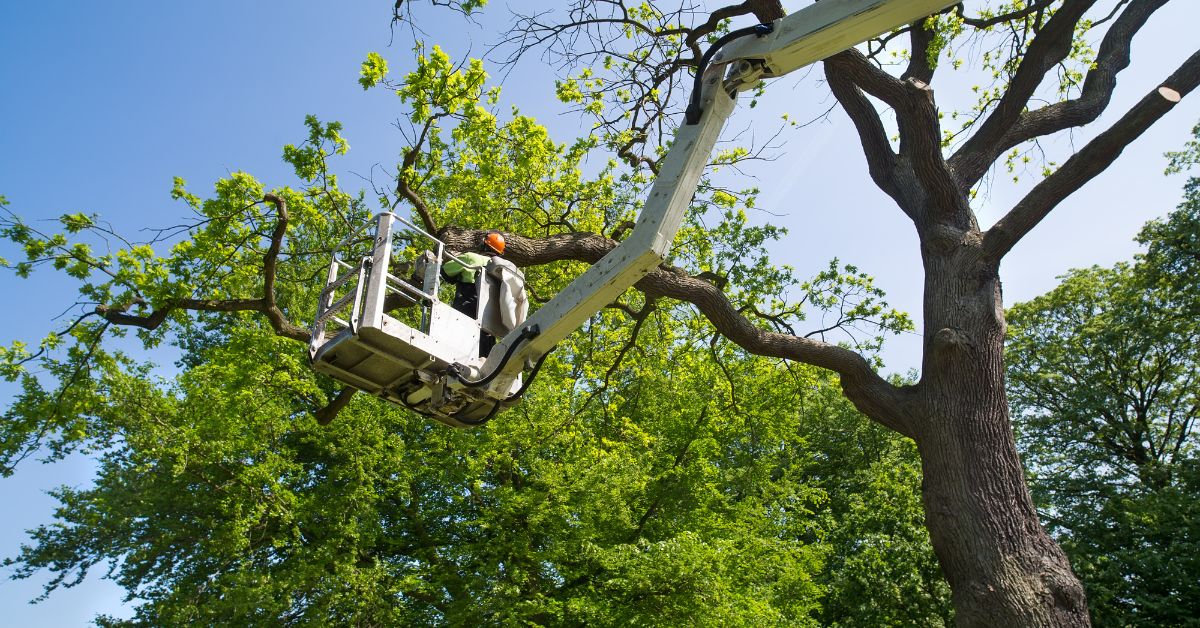
3. Safe Setup and Work – Crews establish drop zones, use rigging or elevated platforms, and prune precisely to AS 4373 standards—never topping or lopping.
4. Clean-Up and Disposal – All green waste is removed, and mulch can be left on request.
5. Aftercare – Guidance on watering, mulch depth, and follow-up timing ensures the tree recovers properly.
Choosing the Right Arborist
Look for AQF Level 3 qualifications or higher, full insurance, and written quotes referencing AS 4373-2007. A professional should explain each cut, outline access and rigging plans, and have strong local reviews. Brisbane’s tree mix—eucalypts, palms, jacarandas—requires knowledge of species behaviour under wind and humidity, something only seasoned arborists provide.
Seasonal Tips for Brisbane Yards
Timing matters. Light structural pruning for gums works best from late winter to early spring. Jacarandas should be trimmed after flowering, while palms only need dead fronds and seed pods removed. Mangoes and avocados benefit from gentle thinning for airflow, and storm preparation should focus on reducing weight on long limbs well before summer storms arrive.
Helping Trees Recover
After pruning, water deeply during dry spells and spread 5–7 cm of mulch around the root zone (but not against the trunk). Avoid heavy fertiliser right away and skip wound paints unless disease treatment is specified. Check pruned trees again after strong winds for any follow-up trimming or cabling needs.
Keeping Brisbane Trees Safe for the Long Term
Small pruning tasks can be done safely at home, but when height, power lines, or heavy limbs are involved, hire a professional. Brisbane’s weather and local laws make proper pruning a matter of safety as much as appearance.
Affordable Tree Service combines four decades of local experience, qualified arborists, and fully insured operations for clear, careful results. With transparent pricing, free quotes, and emergency storm response, the team keeps your trees strong, your property safe, and your yard looking its best.
For trusted, affordable tree pruning in Brisbane North, contact Affordable Tree Service—locals who care for trees and the people who live beside them.
Call Us Today
(07) 3353 4433 or 0411 599 995.
Or email trees@affordabletreeservice.com.au
