Blog

Brisbane Tree Pruning Guide – Safe DIY vs Pro Results

Brisbane Tree Pruning Guide – Safe DIY vs Pro Results

Keeping Trees Safe and Strong in Brisbane

Brisbane’s storms can turn calm streets into chaos in minutes. Mature gums, jacarandas, and palms are beautiful but heavy, and without regular pruning they become hazards. Tree pruning in Brisbane isn’t just for looks—it protects property, improves tree health, and reduces storm risk. It can be tempting to grab a saw, but rushed cuts, ladders, and branches under tension can quickly cause injury or serious damage. Add Brisbane City Council rules, Energex safety zones, and AS 4373-2007 standards, and it’s easy to see why many jobs call for professional help.

With more than 40 years of local experience, Affordable Tree Service provides qualified arborists who combine safety, value, and expert care. This guide explains when DIY pruning is safe, when it’s not, how Brisbane’s rules apply, and what to expect from trained professionals.

Why Professional Tree Pruning Matters

Professional pruning follows tree biology—not guesswork. Each cut is made just outside the branch collar to allow natural sealing and long-term strength. It’s based on AS 4373-2007, Australia’s benchmark for amenity trees. “Lopping,” by contrast, means chopping to stubs, which shocks the tree, encourages weak regrowth, and shortens its life. Proper pruning improves structure, airflow, and appearance while reducing storm damage. In Brisbane’s humid climate, it also prevents fungal disease and keeps properties safer through summer.

Core Tree Pruning Services

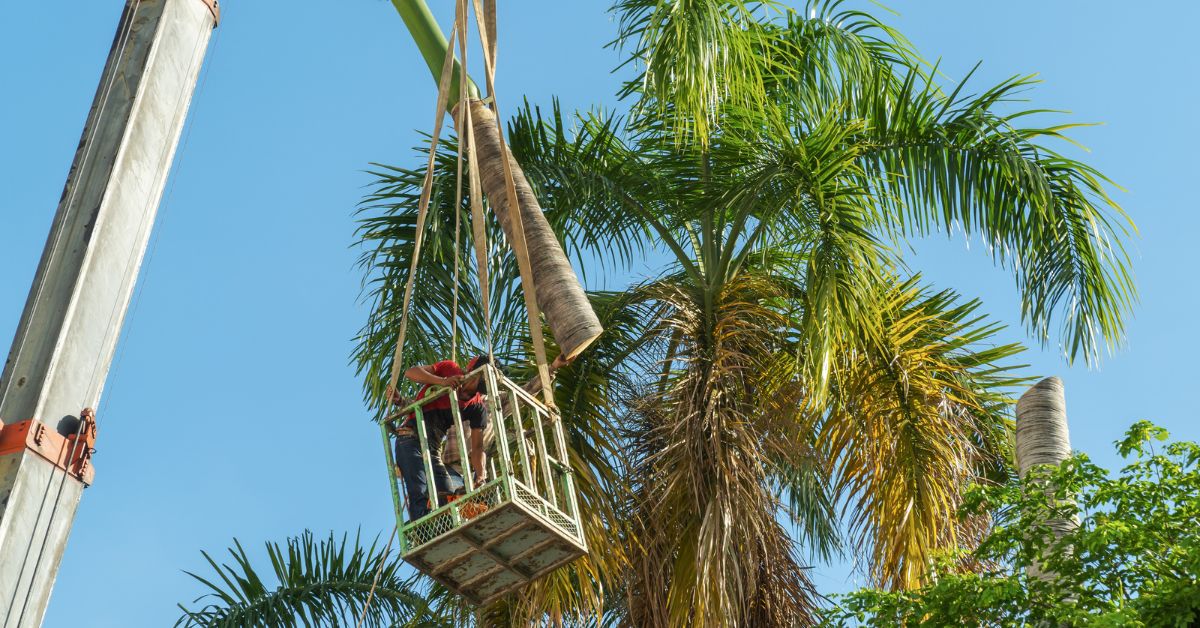
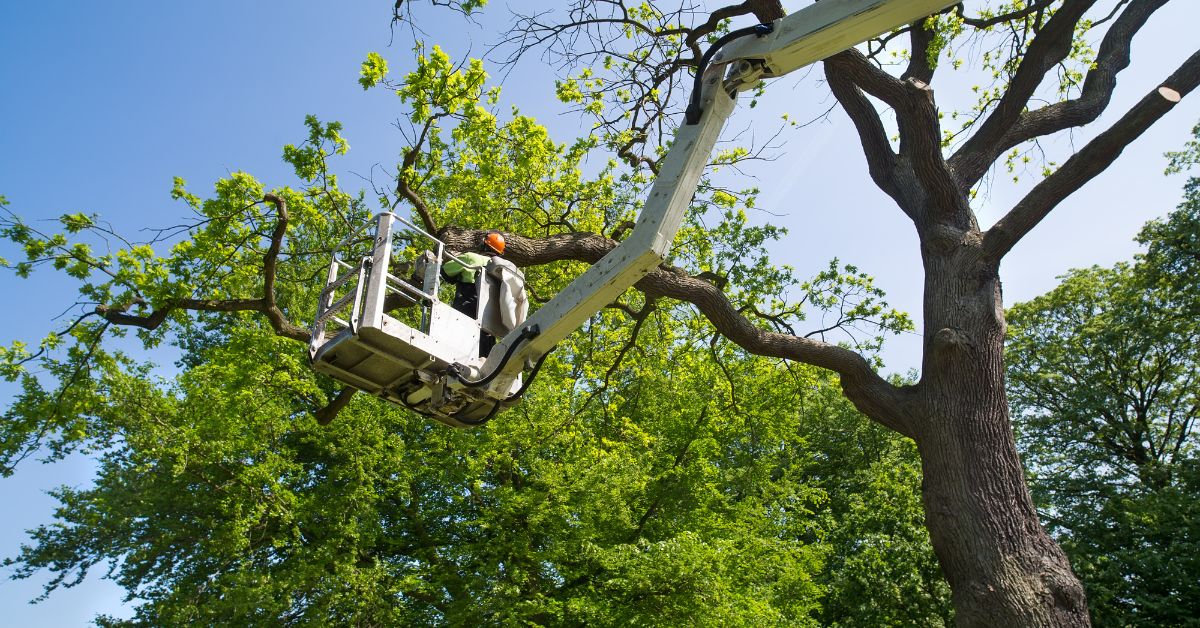
Affordable Tree Service offers all major arborist work across Brisbane North—crown thinning, crown lifting, reduction, deadwooding, and formative pruning. Every job follows council and Energex safety rules, includes full clean-up, and is backed by $20 million public liability insurance.

Crown Thinning removes 10–25 percent of the canopy to lower wind resistance and stress while increasing light and airflow.
Deadwooding clears dead or diseased branches to reduce fall hazards and decay.
Formative Pruning on young trees builds strong frameworks early, preventing later splitting or failure during storms. Each service balances safety, health, and appearance to keep trees thriving.

When DIY Works—and When It Doesn’t

DIY pruning has its limits. Safe tasks include trimming small twigs under 2 metres, light shaping of hedges, and removing small branches you can reach from the ground. Always use sharp, clean tools, cut just outside the branch collar, and stay on solid ground—never on ladders.

Leave the rest to professionals. Never attempt work near power lines or on trees over 3 metres. Branches thicker than 5 cm, storm-damaged wood, or anything under tension needs rigging gear and trained handling. Trees under the Natural Assets Local Law (NALL) or near Energex lines require council approval and safety clearances. A misstep can bring fines, injuries, or expensive property damage—making professional pruning far cheaper in the long run.

Risks of DIY Tree Work

Ladder slips, falling branches, and chainsaw kickbacks cause most accidents. Near power lines, electrocution risk is high, and poorly placed cuts invite rot or collapse later. Council fines for illegal pruning can reach thousands, and home insurance often won’t cover damage from unlicensed work. Professional pruning costs typically start around $300–$800—a fraction of potential DIY losses.

What to Expect from a Professional Arborist

Affordable Tree Service makes the process simple:

  1. Free On-Site Assessment – A qualified arborist checks tree health, structure, and safety risks, then provides tailored recommendations.
    2. Written Quote – Fixed, transparent pricing with all access, pruning, and waste removal detailed upfront.
    3. Safe Setup and Work – Crews establish drop zones, use rigging or elevated platforms, and prune precisely to AS 4373 standards—never topping or lopping.
    4. Clean-Up and Disposal – All green waste is removed, and mulch can be left on request.
    5. Aftercare – Guidance on watering, mulch depth, and follow-up timing ensures the tree recovers properly.

Choosing the Right Arborist

Look for AQF Level 3 qualifications or higher, full insurance, and written quotes referencing AS 4373-2007. A professional should explain each cut, outline access and rigging plans, and have strong local reviews. Brisbane’s tree mix—eucalypts, palms, jacarandas—requires knowledge of species behaviour under wind and humidity, something only seasoned arborists provide.

Seasonal Tips for Brisbane Yards

Timing matters. Light structural pruning for gums works best from late winter to early spring. Jacarandas should be trimmed after flowering, while palms only need dead fronds and seed pods removed. Mangoes and avocados benefit from gentle thinning for airflow, and storm preparation should focus on reducing weight on long limbs well before summer storms arrive.

Helping Trees Recover

After pruning, water deeply during dry spells and spread 5–7 cm of mulch around the root zone (but not against the trunk). Avoid heavy fertiliser right away and skip wound paints unless disease treatment is specified. Check pruned trees again after strong winds for any follow-up trimming or cabling needs.

Keeping Brisbane Trees Safe for the Long Term

Small pruning tasks can be done safely at home, but when height, power lines, or heavy limbs are involved, hire a professional. Brisbane’s weather and local laws make proper pruning a matter of safety as much as appearance.

Affordable Tree Service combines four decades of local experience, qualified arborists, and fully insured operations for clear, careful results. With transparent pricing, free quotes, and emergency storm response, the team keeps your trees strong, your property safe, and your yard looking its best.

For trusted, affordable tree pruning in Brisbane North, contact Affordable Tree Service—locals who care for trees and the people who live beside them.

5 Signs Your Trees Need Professional Pruning Before It’s Too Late

Strata Tree Removal Services

5 Signs Your Trees Need Professional Pruning Before It’s Too Late

Introduction

That uneasy feeling starts with a glance. A large gum in the backyard looks thinner on one side, a few branches seem bare, and after the last storm a twig or two landed on the roof. The thought crosses the mind that it might need tree pruning, but the idea is easy to push aside between work, school runs, and everything else.

The trouble is that trees rarely fail without giving some warning first. They show stress through deadwood, strange growth, or heavy canopies long before a major limb comes down. When those signs are ignored, small issues that could have been fixed with timely tree pruning turn into emergency call‑outs, smashed gutters, damaged roofs, or even injuries.

The good news is that trees on North Brisbane properties tend to tell their story in ways that are easy to spot once someone knows what to look for. Tree pruning then stops being a mystery expense and becomes simple, planned maintenance for family safety and healthy gardens. After more than forty years providing professional tree pruning in North Brisbane, Affordable Tree Service has seen the same warning signs appear again and again before big problems.

As many arborists like to say, “The safest branch removal is the one done before it fails.”

This guide walks through five clear signs that a tree is asking for professional help, from dead branches through to poor overall shape. By the end, it becomes easier to decide when tree pruning should move from the mental to‑do list to a booked visit with a qualified arborist. Taking action at the right time protects people, buildings, and the trees that make a property feel like home.

Sign 1: Dead, Dying, Or Diseased Branches Throughout The Canopy

Dead or dying branches are one of the clearest early warnings. They often:

  • feel brittle instead of springy
  • carry no leaves while the rest of the canopy is green
  • show bark that peels or changes colour
  • hang at odd angles after a wind gust

When more than the odd twig looks like this, the tree is overdue for proper tree pruning by an experienced arborist.

Deadwood is never just a cosmetic issue. In North Brisbane storms, these limbs can drop without warning onto roofs, cars, play areas, or footpaths. Even on a calm day, gravity and decay do their work. Regular tree pruning removes weak limbs in a controlled way, instead of leaving them to fail at the worst possible time.

Dead and dying branches also act as an open door for pests and decay. Fungi, borers, and other insects move in through dead tissue and can spread into healthy wood and even nearby trees. When deadwood appears throughout the canopy, it may signal deeper root or soil problems that need more than a quick tidy with a handsaw. Affordable Tree Service provides professional tree pruning that includes safe deadwooding, full health checks, and removal of all green waste.

Sign 2: Overgrown Canopy Encroaching On Your Property Or Utilities

Another sign appears when the canopy pushes into spaces it should not reach. Branches may:

  • sit over roofs
  • scrape gutters in the wind
  • block solar panels
  • hang low enough to brush pool fences and carports

Once branches sit this close to buildings and outdoor areas, the tree has outgrown its space and needs professional tree pruning, not another weekend on the ladder clearing gutters.

Things become more serious when limbs grow close to power lines or service cables. Contact with live wires brings a risk of fire and power outages. In many parts of Brisbane, property owners must maintain safe clearances, and there can be fines when work is done without permission on protected trees. This is work for trained arborists, not a quick ladder job, and careful tree pruning around utilities needs planning and the right equipment.

Professional arborists use techniques such as crown lifting and crown thinning to fix these problems without stripping the tree bare. By removing selected branches and reducing weight through techniques certified by the ISA Arbor organization, they restore safe clearance for buildings, driveways, and paths while keeping the structure sound. Affordable Tree Service carries out this kind of arborist tree pruning across North Brisbane for homes, strata complexes, and commercial sites, following strict safety procedures and working with full insurance. Timely tree pruning keeps an overgrown canopy from turning into a costly removal job.

Sign 3: Visible Structural Damage, Cracks, Or Unusual Growth Patterns

Some warnings hide in the structure of the tree, not just in obvious deadwood. Look for:

  • narrow V‑shaped joins where two branches meet
  • large cracks or splits in the trunk
  • two main stems of similar size twisting away from each other
  • a lopsided canopy where most of the weight leans over a house, driveway, or neighbour’s fence

These patterns show that the tree needs careful arborist tree pruning to stay stable.

Past poor work often makes these problems worse. When trees are lopped or topped, they respond with fast but weak shoots that bolt straight up from the cuts. The growth can look full for a few years, yet the attachments are shallow and prone to failure in strong winds. A history of rough cutting is a clear sign that professional tree pruning is needed before storm season.

Qualified arborists read this structure like an engineer looks at a beam, with a New Zealand study on tree structural assessment demonstrating how professional evaluation prevents future failures. They look for weak unions, decay inside splits, and limbs carrying too much weight over homes or car parks. Affordable Tree Service uses rigging gear, climbing techniques, and elevated work platforms to carry out corrective tree pruning in a controlled way, following Australian Standard AS 4373‑2007. By removing or shortening the right branches, we restore balance and give the tree a safer framework for future storms.

As experienced arborists often remind homeowners, “Good pruning is about guiding the tree’s structure, not fighting it.”

Sign 4: Signs Of Pest Infestation Or Disease Symptoms

Many disease warnings show up first in the leaves and bark. Unusual colour changes, such as yellowing or spotting at the wrong time of year, along with early leaf drop on one side of the canopy, suggest trouble. Fungal brackets on the trunk, oozing sap, or sunken patches of bark called cankers also indicate active infection. When these signs appear, the tree needs more than a quick trim; it needs tree pruning guided by a proper diagnosis.

Pest activity leaves another set of clues. Small holes in the bark, fine sawdust at the base, chewed foliage, or whole sections of canopy dying back can point to borers or other insects. Left alone, these pests can move through the whole tree and then into neighbouring gardens and street trees.

Once pests or disease weaken the structure, a tree that looks solid can fail without much warning, so this work belongs with qualified arborists. Affordable Tree Service draws on more than forty years of local experience to identify what is harming a tree and how much canopy can be removed safely. Our conservation‑first approach means we suggest removal only when there is no realistic way to save it. In many cases, strategic tree pruning and follow‑up care remove infected wood, improve air flow, and boost natural defences.

Sign 5: Poor Overall Appearance, Unbalanced Shape, Or Declining Vigour

The final sign is more about overall appearance. A tree that once looked full and lush may start to show:

  • thin foliage and smaller leaves
  • bare tips or dieback at the ends of branches
  • short, weak new shoots each year
  • reduced flowering or fruiting

Together, these changes point to declining vigour and a need for thoughtful tree pruning to redirect the tree’s energy.

Unbalanced or twisted shapes tell a similar story. Trees that lean heavily towards one side, have long bare trunks with all the foliage at the top, or grow around obstacles in awkward ways often struggle with poor structure and competition for light. Beyond safety concerns, a messy, overgrown tree can drag down the look of an otherwise neat property and reduce kerb appeal until professional tree pruning restores shape.

A qualified arborist can reshape this kind of tree without leaving it looking hacked. By thinning crowded sections, shortening over‑long limbs, and shaping the canopy to suit the space, they improve light and air while encouraging strong new growth. Affordable Tree Service carries out this planned tree pruning across North Brisbane as part of ongoing residential tree maintenance, so properties look cared for and trees stay healthy rather than sliding into decline.

Conclusion

These five signs are not small quirks. Dead or dying branches, overgrown canopies, weak structures, pests and disease, and a general slide in appearance all warn that a tree is under stress. When action is taken early, tree pruning becomes routine maintenance instead of a rushed response after a storm or sudden failure.

Trying to deal with large trees alone, or hiring unqualified loppers, can lead to damaged trees, unsafe regrowth, and higher costs later. Qualified arborists bring training, insurance, and the right equipment, and they follow standards that keep people and trees safe. Well‑planned tree pruning supports tree life, cuts storm risk, and helps maintain property value.

Affordable Tree Service is North Brisbane’s trusted local team for this work. With more than forty years of experience, our qualified arborists provide professional tree pruning to Australian Standard AS 4373‑2007, using modern equipment and full insurance. Do not wait until a branch falls; contact Affordable Tree Service to book an assessment and keep your trees healthy and looking their best.

How Proper Tree Pruning Boosts Growth, Safety, and Property Value

Tree Pruning Is More Than Just A Simple Cutting Exercise

How Proper Tree Pruning Boosts Growth, Safety, and Property Value

Introduction

A healthy, mature tree can be one of the biggest assets on any North Brisbane property. It gives shade, cools the house in summer, and frames the home or building in a way that no fence or structure ever can. Yet without regular, well‑planned tree pruning, that same tree can turn from asset into headache very quickly.

Tree pruning is not just about cutting branches away. Done properly, it supports stronger growth, reduces pest and disease problems, and keeps trees looking balanced and attractive. It also plays a major part in safety. In a subtropical climate like Queensland, where storms, strong winds, and rapid growth are normal, neglected trees can create serious risks for people, roofs, vehicles, and power lines.

For property owners, strata managers, and commercial sites across North Brisbane, there is also the money side to think about. Well maintained trees:

  • Improve kerb appeal and street presence
  • Make outdoor areas more usable and comfortable
  • Add clear value when it is time to sell or lease

Poorly managed or badly cut trees do the opposite. They can scare buyers, damage buildings, and bring surprise costs when something fails during a storm.

Affordable Tree Service has been caring for local trees for more than 40 years. The team provides professional tree pruning and tree trimming services that focus on long‑term tree health, safety, and practical property needs. By reading on, you will see how correct arborist pruning works, the key benefits for your property, how to spot warning signs, and why bringing in experienced, fully insured professionals matters so much in North Brisbane conditions.

“Good pruning is as much about what you leave on the tree as what you take off.”
— Common saying among experienced arborists

How Professional Tree Pruning Improves Tree Health and Vigorous Growth

Healthy trees do not come from random cutting. They rely on planned pruning that removes the right branches and leaves the tree with a strong, natural structure. When an arborist removes dead, diseased, or poorly placed limbs, the tree no longer wastes energy trying to support them and can redirect that energy into:

  • Stronger new growth
  • Better leaf cover
  • Sounder wood and branch unions

Professional pruning also improves air movement through the canopy. In North Brisbane’s humid conditions, a dense crown can trap moisture, which encourages mildew, fungal problems, and some pests. By thinning selected internal branches, an arborist opens the canopy just enough for breezes to pass through. This helps leaves dry faster after rain, reduces disease pressure, and keeps inner foliage from dying back.

Light is another key part of vigorous growth. When the crown is thinned correctly, sunlight can reach branches deeper inside the tree. This supports photosynthesis across more of the canopy, not just on the outer shell of leaves. Over time, the tree develops:

  • A more even spread of live branches
  • Better balance and structure
  • A fuller, healthier appearance

A big part of professional tree pruning is disease and pest control. Removing dead, damaged, or infected branches (often called deadwooding) takes away easy entry points for decay fungi and insects. It also stops infections spreading from one limb through to the rest of the tree. When this is done using cuts that follow Australian Standard AS 4373‑2007, the tree can seal over wounds more effectively and stay sound for longer.

Structure matters just as much as health. Affordable Tree Service’s qualified arborists look for:

  • Weak V‑shaped branch unions
  • Crossing branches that rub and create wounds
  • Competing leaders that fight for dominance

Correcting these problems, especially through formative pruning on young trees, sets the tree up for a lifetime of safer, stronger growth. This approach is very different from harmful lopping or topping, which leaves ugly stubs, weak regrowth, and long‑term decay.

“Proper pruning, done at the right time and in the right way, improves tree health and reduces hazards.”
— Guidance based on International Society of Arboriculture principles

Critical Safety Benefits Protecting Your Property and Loved Ones

For many homeowners and managers, safety is the main reason to arrange professional tree pruning. North Brisbane storms and sudden wind gusts are hard on trees, and any hidden weakness can turn into a broken limb fast. Dead branches, sometimes called widow‑makers, may look harmless on a calm day but can drop with no warning, putting people, pets, and property at risk.

Unpruned or poorly pruned trees often carry several hazards at once, such as:

  • Cracked or split limbs from past storms
  • Long, overextended branches hanging over roofs
  • Narrow forks with weak attachment points ready to split under load

When these failures occur, they can cause serious damage to tiles, gutters, vehicles, fences, sheds, and neighbouring properties. Insurance may cover some repairs, but it cannot reverse injury or stress.

Power lines add another layer of danger. Tree branches that grow too close to live wires can cause arcing, fires, and fatal electric shock. Only specially trained, authorised arborists are allowed to work near these lines, and attempting DIY pruning in that zone is extremely dangerous. Professional teams know the clearance requirements and use insulated equipment, rigging, and access methods that keep everyone safe.

Well planned storm‑preparation pruning is also a key part of risk reduction. By thinning the crown and reducing excess weight where needed, an arborist reduces the “sail effect” that catches strong winds. This helps wind pass through the canopy rather than pushing against a solid wall of foliage. The result is:

  • A lower chance of whole‑tree uprooting
  • Fewer snapped major limbs during severe weather

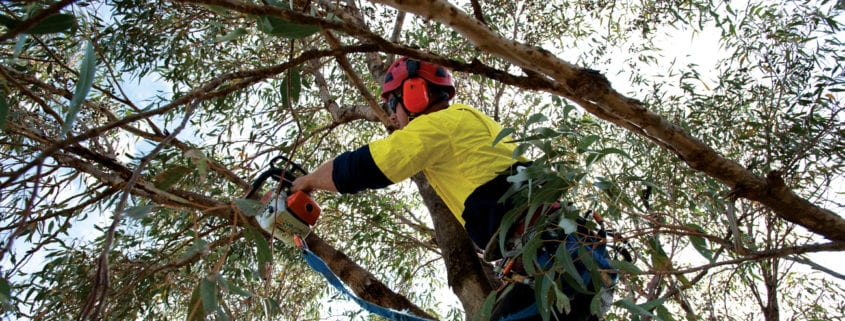
Affordable Tree Service works with safety at the centre of every job. The team uses industry‑grade harnesses, ropes, elevated work platforms, and carefully maintained chainsaws, backed by full Public Liability and Workers’ Compensation insurance. For urgent situations, such as storm‑damaged or fallen trees, they also provide a 24‑hour Storm and Emergency Response service. Trying to handle these conditions yourself, especially with ladders and home tools, exposes you to serious falls, chainsaw injuries, and electrocution risks that are not worth any possible saving.

“If you would not climb the tree without tools, you should not climb it with a chainsaw.”
— Common safety reminder on professional pruning courses

Maximising Property Value Through Strategic Tree Care

From a buyer’s or tenant’s point of view, well maintained trees give a strong first impression. Neatly pruned canopies frame the building, let light reach living areas, and make outdoor spaces feel welcoming. Valuers recognise this, and healthy, tidy trees often add real dollars to the property price, while neglected or badly cut trees can pull it down.

Strategic tree care improves both appearance and function. By shaping the canopy, an arborist can highlight a tree’s natural form instead of letting it sprawl in all directions. Pruning can:

  • Open pleasant views
  • Clear sight lines to the street
  • Allow more winter sun onto lawns, pools, and gardens

Outdoor areas feel larger when trees are lifted slightly above patios and decks, rather than pressing down on the space.

There are practical money benefits as well. Branches trimmed back from roofs and gutters reduce the risk of broken tiles, blocked downpipes, and water leaks inside the home. Managing overhang near driveways and paths keeps hard surfaces cleaner and limits the impact of roots that become worse when the canopy is left unmanaged. For strata and body corporate sites, attractive, safe trees help keep residents happy and reduce complaints.

For property developers, good treeline management can turn existing trees into selling points. Instead of clearing everything, preserving sound trees and pruning them correctly gives instant maturity to a new project. Affordable Tree Service offers treeline pruning, storm‑preparedness work, and full green waste removal, so sites look organised and ready for the next stage while still gaining the value of established trees.

Recognising When Your Trees Need Professional Pruning

Regular inspection is one of the most effective parts of residential tree maintenance. Trees rarely fail without warning signs, but those signs are easy to miss when life is busy. Building a habit of looking up and checking your trees every few months can help you spot problems early and book professional pruning before something serious happens.

Common warning signs include:

  • Dead, dying, or broken branches, especially ones caught up in the canopy
  • Branches that cross and rub, wearing away bark
  • A very dense crown that blocks most of the light under the tree
  • Low‑hanging limbs that hit vehicles or force people to duck on paths
  • Branches resting on roofs or knocking on walls
  • Growth that leans heavily to one side or over a neighbour’s yard

You may also notice signs of disease or stress, such as:

  • Early or uneven leaf drop
  • Bare patches in the canopy
  • Fungal bodies on the trunk or limbs
  • Heavy insect damage

After any strong storm, even if nothing large has come down, it is wise to check for fresh cracks or partly failed limbs. If you see anything worrying, Affordable Tree Service can inspect the tree, advise on pruning or treatment options, and set up a maintenance plan that suits your property.

Timing matters too, though hazards should be handled as soon as they are noticed. Many deciduous trees respond best to pruning in late winter or early spring, when they are not in full leaf. Flowering trees are often pruned after blooming, so next season’s buds stay in place. In Brisbane’s subtropical climate, many native and evergreen species can be pruned across much of the year, and a local arborist can guide the best times for each tree on your site.

Why Professional Pruning Is Essential: The Affordable Tree Service Difference

Tree pruning might look simple from the ground, but working high in a tree with chainsaws, ropes, and heavy timber is one of the most dangerous tasks around the home. When something goes wrong, the results can be severe. That is why mature tree pruning should not be treated as a weekend DIY job, no matter how confident someone feels with basic yard work.

The risks are wide‑ranging:

  • Falls from ladders or branches
  • Deep cuts from chainsaws and other tools
  • Electric shock when working near power lines
  • Branches swinging or falling in unexpected directions

On top of this, a branch cut in the wrong place can damage the tree’s structure and leave it prone to decay or future failure.

Professional arborists bring knowledge and systems that reduce these risks dramatically. They understand tree biology and know how each species responds to pruning, so they can make cuts that support long‑term health rather than causing slow decline. Qualified practitioners follow Australian Standard AS 4373‑2007, which sets clear rules for correct pruning cuts and limits on how much live material can be removed at once.

The team at Affordable Tree Service stands out in North Brisbane. With more than 40 years of local experience, they combine formal training in arboriculture with modern equipment, including harnesses, rigging gear, elevated work platforms, and high‑capacity wood chippers. Every job is covered by Public Liability and Workers’ Compensation insurance, and the company understands Brisbane City Council rules, including Vegetation Protection Orders and permit requirements. You get:

  • Clear advice based on your trees and site
  • Careful planning and safe work methods
  • Tidy clean‑up and removal of green waste

“Good arborists do not just cut trees; they manage living assets for safety, health, and value.”
— Experienced Queensland tree worker

Conclusion

Proper tree pruning is one of the smartest investments a property owner can make. It supports healthier, longer‑lived trees, makes homes, businesses, and shared spaces safer, and lifts the visual appeal and value of the whole property. When pruning is planned and carried out by professionals, trees stay strong, attractive, and far less likely to cause trouble during Queensland’s storm seasons.

DIY cutting or cheap, unqualified work can seem tempting, but it often creates more problems than it fixes. Poor cuts, lopping, or half‑finished jobs lead to weak regrowth, hidden decay, and higher risks for people and buildings. In a region where trees grow fast and weather can turn wild, regular, professional tree maintenance is not a luxury; it is sensible property care.

Affordable Tree Service has been helping North Brisbane homeowners, strata managers, commercial sites, and developers look after their trees for more than four decades. If any of your trees worry you, or if you simply want expert eyes over your garden, now is a good time to act. Contact Affordable Tree Service for an obligation‑free inspection and quote, and get clear, practical advice on how to keep your trees safe, healthy, and adding real value to your property.

Tree Removal After Storms – Fast, Safe and Insured

Tree Removal After Storms – Fast, Safe and Insured

Wild weather can turn a healthy tree into a serious hazard in minutes. When branches are hanging, trunks are split, or roots have lifted, quick action protects people and property. If you need storm damage tree removal, here’s how an organised response keeps everyone safe, gets debris off-site efficiently, and helps with insurance records—without adding stress to an already stressful day.

Emergency triage (make the site safe first)

The first goal after a storm is stabilisation, not speed cutting. A professional crew will:

  • Assess from the boundary: Identify leaning stems, split unions, tensioned limbs, and unstable ground before anyone steps in.
  • Create a safety perimeter: Mark off driveways, play areas and footpaths so family, neighbours and pets stay well clear.
  • Prioritise access: Clear a single safe entry/exit for vehicles and emergency services if your driveway is blocked.
  • Make-safe works: Remove or secure “critical risk” limbs that could fall, then plan the full emergency tree removal methodically.

This triage step prevents secondary damage and keeps the rest of the job controlled.

Utility hazards (treat every line as live)

Storms often bring down more than branches. If power lines are involved, do not touch the tree, fence or even pooled water nearby.

  • Electricity: Assume lines are live and keep a safe distance. A professional arborist will stand down until the utility confirms isolation.
  • Telco & data lines: These can still be hazardous if entangled with power.
  • Gas and water: Root upheaval can stress underground services. Report any gas odour or bubbling ground.
  • Structures: Check for hidden load paths—branches resting on roofs, sheds or pergolas can shift if cut incorrectly.

Certified crews use insulated tools where appropriate, maintain exclusion zones, and coordinate with utilities before proceeding. Safe storm response means respecting every service on and around the site.

Debris handling (efficient removal and tidy finish)

Storm jobs produce mixed material—broken limbs, splintered trunks, foliage and contaminated green waste. An efficient process keeps your property usable:

  • Sectioning and rigging: Controlled dismantling prevents shock loads on damaged trees and protects roofs, fences and paving.
  • On-site chipping: Branches and brush are chipped immediately to reduce bulk. You can keep mulch for gardens if you wish, or have it carted away.
  • Log removal: Larger pieces are cut to manageable lengths and removed safely using mechanical aids.
  • Fine clean-up: Rake and blow-down of work zones, plus gutter and roof valley checks where access is safe and permitted.
  • Waste transfer: Load-out to approved green waste or mixed-waste facilities depending on contamination (e.g., roofing screws, wire).

The aim is simple: hazard gone, site tidy, and no surprises on your next green bin day.

Insurance support (documentation that helps claims)

Insurers need clear evidence of damage and risk. A good storm damage tree removal report typically includes:

  • Before/after photos: Wide shots for context and close-ups of failures, impact points and emergency works.
  • Assessment summary: Species, location, storm impact (wind, saturation, lightning), structural defects and immediate risks identified.
  • Works performed: Make-safe actions, removals, rigging methods, and debris handling (chip/remove/retain).
  • Damage notes: Impact to roofs, gutters, fences, sheds or vehicles (observational, not a building report).
  • Recommendations: Further arboricultural advice (e.g., stump grinding, adjacent tree checks), or referrals for roof or fence trades.
  • Records: Dates, times and team details for insurer verification.

Having this packaged promptly can speed approvals for associated repairs and reduce back-and-forth.

Booking priority (who gets attended first and why)

After severe weather, demand spikes. To keep the community safe, professional providers triage bookings based on risk:

  1. Life safety and access: Trees on live services, through roofs, blocking exits, or threatening public ways.
  2. Escalating hazards: Split leaders or suspended limbs over dwellings or play areas.
  3. Property and business continuity: Driveway clearances, school/aged-care access, and commercial entrances.
  4. General clean-ups: Yard debris, fallen fences and non-urgent tidy-ups.

Sharing clear photos and notes when you book helps assign the right priority and equipment. If you or a neighbour is vulnerable (mobility issues, medical needs), mention it so the scheduler can factor that into the storm response plan.

Why choose a professional after storms

Storm-damaged trees behave unpredictably. Hidden tension can turn a routine cut into a dangerous release of energy. Trained arborists use risk-aware cutting techniques, correct rigging angles, and site controls that DIY simply can’t replicate. You also get organised debris removal, insurer-friendly documentation, and a tidy finish so you can get back to normal sooner.

Need fast, safe storm damage tree removal in the wake of wild weather? Affordable Tree Service provides structured emergency tree removal and storm response—from make-safe to full clean-up—plus clear documentation to support your insurance claim.

Call now to book priority attendance, share photos for triage, and restore safety around your home as quickly as possible.

Tree Roots vs Your Home: When Removal Is the Answer

tree root damage to house

Tree Roots vs Your Home: When Removal Is the Answer

If you’ve noticed cracks in paths, lifting pavers, slow drains or a leaning fence, you might be dealing with tree root damage to house structures. Roots don’t set out to break things— they chase moisture and oxygen. But around slabs, plumbing and retaining walls, that search can create costly issues. Knowing when to prune, and when to remove trees near house foundations, protects your property and peace of mind.

Common damage

Roots often show their hand in the easiest places to disturb: cracked driveways, uneven paths and raised garden edging. Over time, pressure from growing roots can shift lightweight slabs and stress brickwork. Inside, doors may stick and small gaps can appear along cornices where movement has occurred.

Tree roots and pipes are another frequent problem. Fine feeder roots enter tiny pipe defects and expand, causing blockages and backups. In heavy rain, compromised stormwater lines can overflow and undermine soil around footings. Left unchecked, that adds to foundation risk, especially on reactive clay soils where moisture swings make movement worse.

Assessment

Before any pruning or removal, start with a clear picture. Walk the site and note symptoms: cracks, pooling water, sinking soil, repeated drain blockages, or a tree noticeably closer to the house than you’d expect for its size. Map services if you can—knowing where sewer and stormwater run helps connect the dots.

Next, engage a qualified arborist. A professional assessment weighs species behaviour, root architecture, soil conditions and the proximity to structures. If plumbing issues are suspected, a licensed plumber can CCTV-scope lines to confirm root ingress. Depending on your council area, approval may be needed for removal of certain trees; an arborist can guide you through what applies locally.

Removal vs root pruning

Root pruning can be appropriate when:

  • The tree is healthy, structurally sound and suitably sized for the site.

  • Intrusive roots are limited and away from critical support zones.

  • There’s safe access to install a root barrier after pruning.

However, root pruning has limits. Cutting major structural roots can destabilise the tree and increase failure risk in storms. If the problem roots are within the anchor zone (typically within a radius of a few metres of the trunk, depending on species and size), pruning may compromise safety.

Removal is often the responsible choice when:

  • The tree is oversized for the block and sits too close to footings, creating ongoing foundation risk.

  • There’s recurrent damage to hardscapes or repeated root intrusion into pipes, even after repairs.

  • The species is known for aggressive rooting or high water demand near buildings.

  • The tree shows structural defects (decay, poor unions, significant lean) that increase risk.

In these cases, fully remove trees near house structures rather than repeatedly treating symptoms. It’s usually safer, clearer for insurance conversations, and more economical over time.

Aftercare

If removal is recommended, comprehensive aftercare prevents a repeat performance:

  • Stump grinding: Grind the stump and large surface roots to an appropriate depth to prevent regrowth and allow for reinstatement of soil, paving or turf.

  • Pipe repairs: After addressing tree roots and pipes, consider relining or replacing damaged sections to stop future ingress.

  • Root barriers: Where practical, install physical root barriers between garden beds and structures. These guide future roots downward and away from slabs and services.

  • Drainage tune-up: Keep gutters, downpipes and stormwater lines clear. Good drainage reduces the moisture gradients that attract roots towards foundations.

  • Smart replanting: Choose moderate-sized, non-invasive species and plant well away from buildings and services. As a rule of thumb, plant at a distance at least equal to the tree’s expected mature height—more if space allows.

Pro advice

With over 40 years serving local homeowners and businesses, Affordable Tree Service focuses on solutions that balance property protection with environmental care. Our team provides honest assessments, explains options in plain language, and completes work safely— from targeted root pruning and chassis-level stump grinding (ground-level focus) to full removals when that’s the best outcome.

We keep the process hassle-free: clear quotes, respectful site work, and tidy clean-up. Where council approvals apply, we’ll help you understand the steps. If you’re weighing up repair costs against ongoing risk, we’re happy to offer advice so you can choose a path that fits your budget and your long-term plans.

Seeing signs of tree root damage to house structures, or dealing with recurring tree roots and pipes issues? Talk to Affordable Tree Service. We’ll assess the foundation risk, outline whether root pruning or removal is the smarter move, and handle everything from stump grinding to replanting guidance.

Affordable isn’t just about price—it’s about peace of mind, ethical work and a smooth experience from start to finish. We’re here to help. Let’s discuss your options and protect your home.

What Happens to the Mulch? Clean-up and Site Restoration

stump grinding mulch

What Happens to the Mulch? Clean-up and Site Restoration

Book a stump grind and you’ll see a neat pile of shredded wood chips left behind. This is stump grinding mulch—a by-product of turning the stump and surface roots into chips. Done right, the clean-up and site restoration are straightforward, and that mulch can be put to work in your garden. Here’s what to expect, plus smart stump grinding mulch uses that save time and money.

Mulch reuse

Stump grindings are essentially fresh, coarse wood chips mixed with a little soil. They’re great for paths, suppressing weeds in garden beds, and protecting bare soil while new plants establish. If you’re keeping the mulch on site, spread it in a loose layer 50–75 mm deep around trees and ornamentals, keeping it a small hand’s width away from trunks and stems to avoid moisture build-up against bark.

Fresh chips are “carbon-rich,” which means they break down slowly on the surface—ideal for mulching beds and informal pathways. If you plan to dig them into the soil, do so only in out-of-the-way areas and balance with compost, as the decomposition process can temporarily tie up nitrogen. For most gardens, surface application is the better choice.

If you don’t want the chips, let us know before the job. We can remove excess material or stockpile it neatly for later use.

Backfilling

After grinding, there’s a void where the stump used to be. Our team rakes the stump grinding mulch back into that cavity to create a gentle mound slightly above surrounding ground level. This is intentional. As the mulch settles over a few weeks, it drops back close to grade rather than leaving a hollow.

Where surface roots have been chased out, we tidy those channels too. If your site is on a slope or prone to washouts, we’ll compact lightly and shape the area to shed water evenly. Clear access and a tidy edge line around the work zone make the rest of your garden usable straight away.

Lawn/planting prep

What you do next depends on your plan for the area:

  • Re-turfing a lawn: Scrape back the top 50–75 mm of grindings from the surface and set them aside for use elsewhere. Fill the top of the cavity with a quality turf underlay or sandy loam, level to surrounding turf, and lightly compact. Lay new turf as usual and keep it well watered for establishment. A thin layer of grindings can be used around trees, but avoid mixing large amounts through your turf base.

  • New garden bed: Leave a portion of the stump grinding mulch in place to act as a base layer. Add 50–100 mm of compost or soil conditioner on top, then plant into that improved layer. Finish with a clean mulch cap (you can use some grindings blended with compost, or your preferred mulch) to present a consistent look.

  • Pathway or utility zone: Spread grindings to create a soft, permeable path. For a firmer finish, lay geofabric first and top with decorative chip or gravel. The stump mulch becomes a stabilising sub-layer that reduces mud and dust.

Whichever path you choose, keep irrigation and drainage in mind. Good water flow reduces future root seeking, protects foundations, and keeps your landscaping healthier.

Optional topsoil

There are times when bringing in topsoil is the best move:

  • You want instant lawn level: Import a screened turf underlay for the top 75–100 mm. This gives the roots a clean, nutrient-available zone and speeds establishment.

  • You’re planting straight away: A blend of topsoil and compost above the cavity creates a fertile layer for seedlings and shrubs.

  • You prefer a uniform finish: If the look matters (front yard, rental handover, property sale), a new topsoil layer topped with a consistent mulch gives a polished result.

If you’re unsure, we’ll talk it through on site. The decision often comes down to timing, budget and the final surface you’re aiming for.

Pro advice

Affordable Tree Service is about more than removing a tree—we focus on a smooth, ethical process and a tidy finish. With decades of experience, we’ll help you decide whether to keep or remove stump grinding mulch, how to backfill properly, and the best way to prep for turf or planting. 

A quick tip on expectations: fresh grindings settle. That’s normal. Lightly top up low spots after a few weeks, and avoid driving heavy vehicles over the area until the fill has compacted naturally or been reinforced with topsoil.

Planning a stump removal and want the site looking spot-on afterwards? Talk to Affordable Tree Service. We’ll manage the grind, advise on stump grinding mulch uses, handle backfilling, and, if you like, supply optional topsoil and a clean mulch finish.

Affordable means peace of mind—a hassle-free process, environmental care and a tidy result you’ll be happy to live with. Get in touch and let’s restore your garden the right way.

What is Stump Grinding? Essential Guide for Homeowners

Tree Maintenance Near Power Lines: Who is Responsible in Queensland

What is Stump Grinding & Why Homeowners in North Brisbane Need It

After a tree is removed, many North Brisbane property owners are left staring at an unsightly reminder – the stump. These remnants aren’t just eyesores; they’re potential hazards. When homeowners ask “what is stump grinding”, they’re looking for a safe, efficient way to eliminate tripping risks, improve kerb appeal and reclaim usable space.

Have you ever tripped over a hidden stump while enjoying your garden, or struggled to mow around one?

So, what is stump grinding? It’s a fast, professional method that grinds a stump below ground level to remove the hazard and leaves behind mulch you can reuse in the garden — a practical win for North Brisbane homeowners.

For North Brisbane residents, stump grinding isn’t just about looks – it helps prevent termites, reclaims valuable space and removes decay hazards. With 40 years’ local experience, Affordable Tree Service shows homeowners exactly what stump grinding is and how it transforms properties from hazardous to harmonious.

Key Takeaways

  • Stump grinding effectively eliminates tree stumps by grinding them below ground level while leaving roots to naturally decompose.
  • Neglected stumps create numerous problems including safety hazards, pest attractions, potential regrowth issues, and reduced property value.
  • Professional stump grinding services offer expertise, specialised equipment, and safety protocols that DIY methods cannot match.
  • The grinding process produces useful wood chips that can be repurposed as garden mulch, adding value beyond just stump removal.
  • For North Brisbane property owners, stump grinding offers a cost-effective alternative to complete stump removal while still solving the core problems.

Stump grinding effectively eliminates tree stumps by grinding them below ground level while leaving roots to naturally decompose.

Neglected stumps create numerous problems including safety hazards, pest attractions, potential regrowth issues, and reduced property value.

Professional stump grinding services offer expertise, specialised equipment, and safety protocols that DIY methods cannot match.

The grinding process produces useful wood chips that can be repurposed as garden mulch, adding value beyond just stump removal.

For North Brisbane property owners, stump grinding offers a cost-effective alternative to complete stump removal while still solving the core problems.

What is Stump Grinding and How Does it Work?

Stump grinding is a specialised arboricultural technique that uses a powerful machine to systematically reduce a tree stump to small wood chips. Unlike complete removal, stump grinding focuses on eliminating the visible portion of the stump, grinding it several inches below the soil surface while leaving the deeper root system to decompose naturally over time.

The machine that makes this possible is called a stump grinder – a robust piece of equipment featuring a rotating cutting wheel with numerous carbide-tipped teeth. These teeth chip away at the wood with impressive efficiency, gradually turning solid wood into fine mulch. Professional arborists at Affordable Tree Service operate these machines with precision, ensuring thorough removal without damaging surrounding landscape features.

Before any grinding begins, a thorough site assessment is essential. This includes clearing the area of rocks, debris, and other obstacles that could damage the equipment or become dangerous projectiles. Professional arborists also check for underground utilities like water pipes, electrical lines, or irrigation systems that could be damaged during the grinding process. This preparation stage is critical for safety and demonstrates why professional services provide peace of mind.

The actual grinding process involves positioning the machine over the stump and systematically lowering the cutting wheel to shave away layers of wood. Starting at the top, the operator moves the wheel back and forth across the stump’s surface, gradually working deeper until reaching 10-15 centimetres below ground level. This depth is typically sufficient to prevent regrowth while allowing future landscaping projects without obstruction.

As the grinding progresses, the stump is transformed into wood chips that remain in the depression where the stump once stood. These chips mix with the soil to create a nutrient-rich medium that aids decomposition of the remaining underground root system. The entire process is remarkably efficient, with most residential stumps taking between 30 minutes to 2 hours to complete, depending on size and hardness.

Why is Stump Grinding Essential for Your North Brisbane Property?

North Brisbane’s subtropical climate creates perfect conditions for rapid decay in tree stumps, but this natural process comes with significant risks. Left untreated, stumps become more than just eyesores – they transform into hazardous obstacles that threaten both property and people.

The safety implications of neglected stumps cannot be overstated. Hidden beneath grass or partially covered by garden growth, stumps become tripping hazards that can cause serious injuries. For children playing in the yard or guests unfamiliar with your landscape, these stumps pose particular danger. Additionally, lawn equipment like mowers can sustain damage when accidentally striking these hidden obstacles, leading to costly repairs.

Beyond physical hazards, North Brisbane’s warm, humid conditions make stumps ideal breeding grounds for pests. Termites particularly thrive in decomposing wood, establishing colonies that can quickly spread to nearby structures. As experts at Affordable Tree Service have observed over our 40 years serving the area, a single termite-infested stump can lead to extensive property damage if left unaddressed. Other pests including carpenter ants, beetles, and various fungi also find stumps attractive habitats, creating potential health concerns and landscape issues.

Many tree species common to North Brisbane, such as eucalyptus and camphor laurel, possess remarkable regenerative capabilities. Without proper grinding, these stumps can sprout new growth, developing into problematic multi-stemmed trees that are difficult to manage. This regrowth often appears weaker and more prone to disease than the original tree, creating ongoing maintenance challenges.

From a property value perspective, visible stumps significantly detract from curb appeal. In North Brisbane’s competitive real estate market, well-maintained landscapes contribute substantially to property valuation. Real estate professionals consistently note that tidy, hazard-free yards create positive first impressions that translate to higher property values and faster sales.

Problems caused by stumps include:

  • Safety hazards from tripping
  • Damage to lawn equipment
  • Pest infestations (especially termites)
  • Unwanted regrowth
  • Reduced property value
  • Limited usable space

Safety hazards from tripping

Damage to lawn equipment

Pest infestations (especially termites)

Unwanted regrowth

Reduced property value

Limited usable space

Stump grinding delivers immediate benefits by eliminating these concerns. The process instantly reclaims usable space for new landscaping features, garden areas, or outdoor living spaces. The resulting mulch provides nutrient-rich material that benefits surrounding plants, while the removal of decay-prone wood reduces pest attraction substantially. For North Brisbane property owners, professional stump grinding represents a smart investment in both safety and aesthetics.

Stump Grinding vs. Stump Removal: Which is Right for You?

When deciding how to handle unwanted tree stumps, North Brisbane property owners typically consider two main options: grinding or complete removal. Understanding the key differences helps you make the most appropriate choice for your specific situation.

Grinding focuses on reducing the visible portion of the stump to below ground level. This process uses specialised equipment to chip the stump into small wood particles while leaving the root system intact beneath the soil. The grinding typically extends 10-15 centimetres below the surface, eliminating the visible stump while allowing the underground roots to decompose naturally over time. This method creates minimal disturbance to the surrounding landscape and produces useful wood chip mulch as a byproduct.

Complete removal, by contrast, involves excavating both the stump and its entire root system from the ground. This more invasive approach requires heavier machinery such as backhoes or excavators and results in a significant hole where the root ball once existed. The process completely eliminates all parts of the tree, requiring substantial backfilling and soil replacement afterward. While thorough, this method creates considerable landscape disruption and typically costs 2-3 times more than grinding.

For most North Brisbane residential properties, stump grinding provides the ideal balance of effectiveness and convenience. The process effectively eliminates hazards and eyesores while minimizing landscape disruption. Grinding is particularly appropriate when you’re not planning immediate construction directly over the stump location, as the decomposing roots generally don’t interfere with most landscaping projects. Affordable Tree Service recommends grinding for most residential applications due to its cost-effectiveness and practical benefits.

Complete removal is necessary in these situations:

  • When building structures directly over the stump location
  • For species known for aggressive regrowth
  • For development projects requiring certification of complete tree removal

When building structures directly over the stump location

For species known for aggressive regrowth

For development projects requiring certification of complete tree removal

Cost considerations typically favor grinding substantially. In North Brisbane, stump grinding generally costs 30-50% less than complete removal for the same tree, reflecting the reduced labor, equipment, and restoration requirements. This cost difference becomes especially significant for properties with multiple stumps requiring attention.

After the Grind: What Happens to the Roots and How to Use the Mulch

Once a stump has been ground down, the remaining root system begins a natural decomposition process that gradually returns nutrients to the soil. This breakdown happens beneath the surface, invisible to property owners but beneficial to soil health. In North Brisbane’s climate, most hardwood roots decompose completely within 5-10 years, while softwood species break down more quickly, typically within 3-5 years.

During this decomposition period, some tree species may attempt to regenerate through root sprouts. Eucalyptus, camphor laurel, and some fruit trees common to North Brisbane have particularly persistent root systems. Affordable Tree Service recommends monitoring the area for the first year after grinding and promptly treating any sprouts that emerge with appropriate herbicide to prevent regrowth issues.

The wood chips produced during grinding represent a valuable resource rather than waste. These chips make excellent mulch for garden beds, providing several benefits including moisture retention, weed suppression, and temperature regulation. North Brisbane’s subtropical climate makes proper mulching particularly valuable for reducing water requirements during dry periods.

Benefits of wood chip mulch include:

  • Moisture retention in soil
  • Weed suppression
  • Temperature regulation
  • Gradual soil enrichment
  • Cost-effective garden resource

Moisture retention in soil

Weed suppression

Temperature regulation

Gradual soil enrichment

Cost-effective garden resource

For immediate use after grinding, the chips can be spread directly in the stump depression to create a level surface. Many Affordable Tree Service customers request that excess chips be distributed to mulch existing garden beds, providing an eco-friendly alternative to purchased mulch products. The chips decompose over 1-2 years, gradually enriching the soil with organic matter.

Those interested in faster decomposition can accelerate the process by mixing the chips with high-nitrogen materials like grass clippings or adding nitrogen-rich fertiliser. This balances the carbon-nitrogen ratio and speeds breakdown, transforming the chips into rich compost more quickly. For vegetable gardens, it’s best to allow the chips to compost fully before incorporation, as fresh wood chips can temporarily bind soil nitrogen during their decomposition.

Why Choose a Professional for Stump Grinding in North Brisbane?

Professional stump grinding delivers results that DIY approaches simply cannot match, particularly in North Brisbane’s challenging landscape conditions. The specialised equipment operated by trained professionals at Affordable Tree Service grinds stumps efficiently and thoroughly, saving property owners considerable time and effort compared to rental equipment with limited capabilities.

Safety considerations make professional services particularly valuable. Stump grinders are powerful machines requiring proper training and protective equipment to operate safely. Professional arborists understand how to assess sites for hidden hazards including underground utilities, rocks, or metal objects that could cause dangerous situations if struck during grinding. With 40 years of experience in North Brisbane, Affordable Tree Service technicians bring the expertise needed to handle these challenges safely.

The risk of property damage increases substantially with DIY approaches. Inexperienced operators may accidentally damage surrounding landscaping, hardscaping features, or underground irrigation systems. Professional services include proper site preparation and precise control of equipment to protect your property investments. Additionally, reputable companies carry comprehensive insurance coverage, protecting homeowners from liability for any accidents or damage that might occur during the work.

Professional assessment provides another significant advantage. Experienced arborists can evaluate stump characteristics and surrounding conditions to determine the most appropriate approach. Some stumps require specialised techniques due to their location, size, or species. For example, certain hardwoods common in North Brisbane require different grinding approaches than softwoods, and professionals adjust their methods accordingly for optimal results.

Professional advantages include:

  • Specialised equipment with greater capabilities
  • Safety training and protective equipment
  • Knowledge of potential hazards
  • Protection of surrounding landscape
  • Insurance coverage
  • Expert assessment of each stump situation

Specialised equipment with greater capabilities

Safety training and protective equipment

Knowledge of potential hazards

Protection of surrounding landscape

Insurance coverage

Expert assessment of each stump situation

Equipment quality creates meaningful differences in outcomes. Commercial-grade stump grinders used by professionals like Affordable Tree Service feature more powerful engines, sharper teeth, and greater grinding depth capabilities than rental units. These machines complete jobs more quickly and thoroughly, ensuring stumps are ground to proper depth to prevent regrowth issues.

For North Brisbane property owners, the combination of expertise, proper equipment, and safety protocols makes professional stump grinding the smart choice for effectively eliminating stumps while protecting property value.

Stump grinding offers North Brisbane property owners a practical, efficient solution for managing unwanted tree stumps. This process eliminates hazards, prevents pest infestations, and enhances property aesthetics while providing valuable mulch as a beneficial byproduct. By choosing professional services from experienced providers like Affordable Tree Service, homeowners ensure thorough, safe removal that protects their investment and improves their landscape’s usability.

The benefits extend beyond immediate visual improvement. Proper stump management prevents costly property damage from pests like termites, eliminates tripping hazards, and creates opportunities for new landscaping features. For North Brisbane’s unique environment, professional stump grinding represents a wise investment in both property safety and value.

FAQs

How deep do you grind the stump?Professional stump grinding typically extends 10-15 centimetres below ground level. This depth effectively eliminates the visible stump while allowing for new grass growth or landscaping. For specific projects requiring deeper grinding, Affordable Tree Service can adjust the process to accommodate your particular needs.

Will the tree grow back after grinding?Stump grinding significantly reduces regrowth potential by removing the stump’s crown where most new growth would originate. However, some tree species common to North Brisbane have persistent root systems that may produce sprouts. Professional grinding followed by monitoring for several months provides the best protection against unwanted regrowth.

What can I do with the wood chips?The wood chips produced during grinding make excellent mulch for garden beds, helping retain soil moisture and suppress weeds. You can use them immediately to fill the depression left by the stump, spread them around trees and shrubs, or add them to compost piles. In North Brisbane’s climate, this mulch helps protect plants during hot, dry periods.

How much does stump grinding cost in North Brisbane?Stump grinding costs vary based on several factors including stump diameter, hardness of the wood, accessibility, and whether multiple stumps need grinding. Affordable Tree Service provides detailed quotes based on site inspections to ensure accurate pricing. Most residential stumps cost between $100-$250 to grind, making it a cost-effective solution compared to complete removal.

Signs It’s Time to Prune Your Tree: A Homeowner’s Guide

What to Consider When Planting New Trees

Regular pruning is crucial to a tree’s health, structure and appearance. It helps trees grow stronger, reduces disease risk, and removes hazards from weak or damaged branches. If you’ve wondered “when should a tree be pruned”, this guide explains the signs to watch for and when to prune a tree for the best results.

Signs a Tree Needs Pruning
Homeowners often ask “when should a tree be pruned?” Start with the symptoms—these clear signs indicate when to prune a tree:

  • Dead or Dying Branches: Dead branches are one of the most obvious signs that a tree requires pruning. These branches can become brittle and pose a risk of breaking off, which may lead to property damage or injury. Removing dead wood helps keep the tree healthy and safe.
  • Overgrown or Crowded Branches: When branches start to crowd each other, they can rub together, causing wounds that make the tree more susceptible to disease and pests. Pruning can help open up the canopy, allowing sunlight and air to penetrate the inner branches, promoting healthier growth.
  • Crossing or Tangling Branches: Branches that cross or tangle with each other can lead to structural issues and create areas where pests and diseases can take hold. Removing these branches helps to maintain a strong structure, ensuring the tree can withstand weather conditions and grow symmetrically.
  • Signs of Disease or Pest Infestation: If you notice signs of disease (like fungal growth, cankers, or discoloured leaves) or evidence of pests (such as sawdust or holes in the bark), pruning affected areas can help prevent the disease or infestation from spreading. Consulting an arborist is recommended if the disease appears widespread.
  • Low-Hanging or Hazardous Branches: Branches that are too close to the ground or pose a hazard to nearby buildings, fences, or walkways should be pruned for safety. Pruning these branches not only protects property but also improves the tree’s structure and appearance.

These signs are clear indicators that a tree is ready for pruning, helping homeowners maintain a safe and healthy yard.

How Seasonal Factors Influence Pruning Needs

When should a tree be pruned through the year? Timing depends on species and season. Use the guide below to choose the best time to prune trees based on natural growth cycles:

  • Deciduous Trees: These trees benefit most from pruning during the late winter or early spring, while they are still dormant. Pruning at this time reduces stress on the tree and encourages new growth in spring.
  • Evergreen Trees: Pruning evergreen trees is best done in late winter or early spring, just before new growth begins. Light pruning during the growing season is also possible, but avoid heavy pruning in autumn.
  • Flowering Trees: Timing for flowering trees depends on when they bloom. Early-spring flowering trees, such as magnolias, should be pruned immediately after blooming. Trees that flower in late spring or summer can be pruned in late winter.
  • Fruit Trees: Fruit trees are typically pruned in late winter to prepare them for a productive growing season. This timing supports a better fruit yield and keeps the tree healthy.

Understanding the best time to prune based on the tree’s natural cycle ensures that pruning provides maximum benefit and minimal stress to the tree.

Benefits of Timely Pruning
Pruning trees at the right time offers numerous benefits for tree health, growth, and overall appearance:

  • Encourages Healthy Growth: By removing dead or crowded branches, pruning allows the tree to focus its energy on healthy growth. This results in a more robust tree with a fuller, balanced canopy.
  • Prevents Disease and Pest Infestations: Timely pruning removes branches that may be infected or damaged, reducing the likelihood of disease spreading throughout the tree. A well-pruned tree is less susceptible to pests and is better equipped to fight off infections.
  • Improves Structural Integrity: Pruning helps shape young trees and reinforces mature trees by removing weak or poorly positioned branches. This structural improvement makes the tree more resilient to wind, heavy rain, and other weather conditions.
  • Enhances Aesthetics and Property Value: A well-pruned tree enhances the look of a property, adding to its curb appeal. Trees with healthy, open canopies and strong structures are attractive landscape elements that can increase property value.
  • Increases Safety: Removing dead, damaged, or hazardous branches keeps the tree safe for the surrounding area, reducing the risk of falling limbs that could harm people, pets, or property.

Regular, timely pruning is essential for maintaining trees that are not only healthy but also aesthetically pleasing and safe.

Pruning is an essential part of tree maintenance, ensuring that trees remain healthy, safe, and visually appealing. By understanding the signs that indicate when a tree needs pruning—such as dead branches, overgrowth, or signs of disease—homeowners can address issues promptly and keep their landscape well-maintained. Seasonal factors play a role in the ideal timing for pruning, depending on tree type, while timely pruning provides benefits that extend to the tree’s health, structural integrity, and the safety of your property. A well-maintained tree is an investment in your home’s value and beauty, making pruning an indispensable part of responsible tree care.


What to Consider When Planting New Trees

What to Consider When Planting New Trees

Decided to plant new trees in your backyard? Read this before you start.

In this article, we’ll discuss some of the most important things to consider when planting new trees and how the team at Affordable Tree Service can help. 

Factors to Consider When Planting a New Tree

So you’ve decided to plant a new tree in your backyard, but have you done your research? Here we’ll discuss some of the things you should consider when planting a new tree.

Your Existing Trees

When planting a new tree in your yard – or even considering it – it’s important to take into account what kinds of trees and other flora you already have. Think of things like:
– the size of your existing trees and how far their root systems span
– whether adding a new tree will disrupt their environment or growth patterns
– if your current trees are healthy and whether a new tree will flourish in that location (especially if it is of a different species)
– whether you need to remove a tree to make room for the new one (this is where our services come in handy)

Size of Your Yard

The size of your yard is especially something you have to take into account when planting a new tree. This is because you should make sure you have enough space on your property for the new addition (both when it’s first planted and when it’s fully grown).

Size of the Tree

Not only is it important for you to consider the size of your existing trees, and the space you have available on your property, you should also think about the size of the tree you intend to plant.

The last thing you want is to invest in a beautiful new tree only to find it grows too tall (or wide), and you can’t control it.

Don’t forget about the roots! The larger a tree, the more expansive the root system so you need to take this into account before you make your decision.

Where You Want to Plant It

Taking the time to consider where you are going to plant your tree in order for you to get the most out of it.

This includes things like sunlight exposure, how close it is to the neighbour’s property, whether you can access it to maintain it and even if it will flower or produce fruit in your preferred location.

Maintenance

Speaking of maintenance, this is one of the most important things you need to consider.

Growing a tree means being responsible for a living thing, and while you may not exactly put it in the same category as raising and taking care of a child, it’s not far off.

Just as you need to make sure your child is healthy with food and water, regular baths or showers and the like, so too you need to ensure you have the time to take care of your tree.

If you’re time poor and don’t want to spend much of your weekends pruning and watering your garden, you may want to choose something more low maintenance. 

Safety

Safety is paramount when it comes to planting a tree. You need to ensure that if something does happen to your tree (for example, if it’s hit by lightning or becomes damaged in some other way), it will not cause harm to either yourself, your family, your neighbours and surrounding property. 

How Affordable Tree Service Can Help

As a homeowner, you want to be sure you’re getting the right advice to maintain the health of your trees. And this is something you can be certain of when you contact our professionals at Affordable Tree Service.

Our qualified and highly skilled team members can assist with any number of services to maintain your trees, from stump grinding and land clearing, to health assessments, storm preparation, tree removal and so much more.

If you’re thinking about planting a tree and need to remove one to do so, contact the experienced team at Affordable Tree Service for assistance. 

How to Spot Termite Damage in Trees

How to Spot Termite Damage in Trees

Worried you might have termites in your trees? This is the place for you.

In this article, our experts will take you through common signs of termite damage in your trees, what you can do about it and how the team at Affordable Tree Service can provide you with professional advice.

Signs of Termite Damage in Trees

Termites can create extreme damage to your trees, which is why an infestation is something you’ll want to address quickly. But how do you know your trees are being attacked by termites?

In this section, we’ll go through some of the more common signs of an infestation.

Hollow Trunk 

If the trunk of your tree is sounding a little hollow,  it might mean it’s been infested by termites.

Soft Timber or Missing Bark

Is your tree trunk softer than usual or missing bark? This is a common sign of a termite infestation and isn’t something you’ll want to ignore.

Mud Tubes

Termites stay hydrated through mud tubes, so if you see them on your tree, it’s probably a sign of infestation.

Nests or Sawdust Piles

Termites make their nests in the inside of your tree trunk or in the soil. While the presence of termite nests or sawdust piles is an obvious sign of an infestation, it’s important to note that they can be difficult to find.

For that reason, you may want to talk to your professional arborist to confirm.

What Can You Do About It?

In terms of DIY methods, there’s not much you can do to manage a termite inspection. The best thing to do is to talk to a professional arborist for assistance.

How Affordable Tree Service Can Help

As a homeowner, you want to be sure you’re getting the right advice to maintain the health of your trees, especially when it comes to termite prevention. And this is something you can be certain of when you contact our professionals at Affordable Tree Service.

Our qualified and highly skilled team members can assist with any number of services to maintain your trees, from stump grinding and land clearing, to health assessments, storm preparation, tree removal and so much more.

If you think your tree may be afflicted with termites, contact us today for an accurate diagnosis.