
Trees grow in cycles. Pruning them at the right stage supports stronger structure, better flowering and fruiting, and safer outdoor spaces. In Brisbane and North Brisbane, timing becomes even more important due to the region’s mild winters, long growth periods and powerful summer storms.
Affordable Tree Service has over 40 years of experience helping property owners across North Brisbane manage their trees through the seasons. This seasonal pruning guide explains how to align tree pruning with each tree’s biological rhythm, covering deciduous, evergreen, flowering and fruit trees. It also explores when to prune for storm safety and when to engage qualified arborist services.
Understanding Brisbane’s Tree Growth Cycles
While Brisbane’s winters are mild, trees still experience cycles of rest, growth and repair. During late autumn and winter, most species conserve energy rather than produce new growth. This is the ideal period for major pruning, because trees are under less stress and wounds can seal cleanly as spring growth begins.
In spring and summer, trees enter active growth and rely on their leaf area to produce energy. Pruning too heavily during this period can stress the tree, slow recovery and increase vulnerability to pests. Experienced arborists always assess the species, health and current growth stage before deciding when to prune.
Deciduous Trees: Best Pruned in Late Winter
Deciduous trees like ornamental pears, Chinese elms and some flowering plums are ideal for pruning from late July to early September. During this time, leafless canopies reveal structural issues like crossing branches or weak forks. Cuts made just before new growth starts will seal better and stimulate healthy shoots.
Avoid heavy pruning during autumn or early winter, which can trigger soft new growth that is vulnerable to cooler temperatures. Dangerous or dead branches, however, should be removed promptly regardless of season.
Evergreen Trees: Prune Before Growth Peaks
Evergreens such as lilly pilly, magnolia and native bottlebrush respond best to pruning in late winter or very early spring. This timing encourages strong regrowth before summer heat and allows trees to stabilise before storm season.
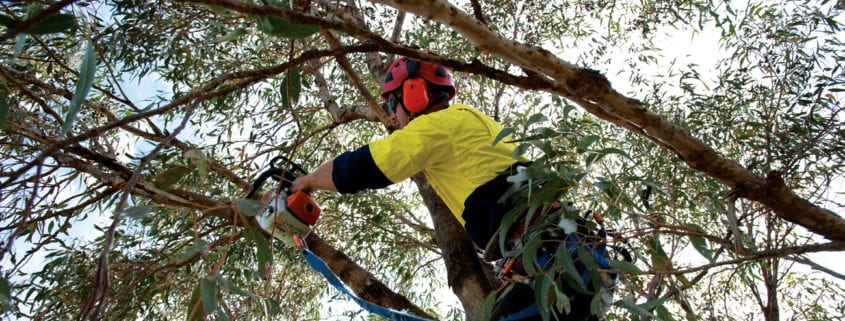
Tip trimming and light shaping may be done throughout the growing season, but major reductions are best kept for winter. Larger trees near buildings or power lines should always be assessed by a professional, as climbing and rigging require experience and the right safety systems.
Flowering Trees: Match Pruning to Bloom Cycles
Many flowering trees bloom either on old wood from the previous season or on new wood grown in the current one. For example, magnolias and ornamental cherries form their buds in the previous season. These species should be pruned right after flowering to allow time for new growth to set future buds.
Crepe myrtles and frangipanis flower on new season wood, so they respond well to pruning in late winter. Pruning at the wrong time may reduce flowering or alter shape. Skilled arborists use timing and technique to support both beauty and structure.
Fruit Trees: Shape During Dormancy
Stone fruits like peaches and plums should be pruned in late winter while fully dormant. Pruning encourages open canopies that let light and air reach the fruiting wood, which lowers disease risk and improves yields.
Citrus trees benefit from light pruning after fruiting, while larger structural cuts should wait until winter. Hygiene is essential with fruit trees; clean, sharp tools prevent the spread of pests and disease.
Storm Preparation: Plan Ahead in Winter
Brisbane’s storm season begins in November, and damage from broken limbs is common. Pruning between July and September helps remove hazards like deadwood, long overhangs or branches with poor attachment.
Crown thinning can reduce wind resistance and protect the tree’s structure. Affordable Tree Service provides pre-storm assessments and targeted pruning to improve safety without compromising tree health.
When Arborist Services Are Essential
Tree pruning that involves height, large limbs, climbing or power lines should always be done by qualified arborists. Poor cuts can lead to decay, structural weakness and long-term decline.
Affordable Tree Service combines local experience with professional training to deliver tailored tree care. Their teams inspect trees, plan safe access, and carry out pruning that supports growth, safety and appearance.
Trust Local Experience for Seasonal Tree Care
Timing makes all the difference when it comes to pruning. From deciduous shade trees to evergreen hedges, and from flowering showpieces to productive fruit trees, seasonal planning keeps them healthier, safer and longer-lasting. Whether the goal is a better harvest, a safer yard or a stronger structure before storms, Affordable Tree Service can help property owners choose the right moment to act.
For a seasonal assessment and tailored pruning advice, contact Affordable Tree Service and take the guesswork out of tree care.
(07) 3353 4433 or 0411 599 995.
Or email trees@affordabletreeservice.com.au
With over four decades of experience in the tree lopping and removal business, you can trust that Affordable Tree Service has the expertise to get the job done right.
© 2026 Affordable Tree Service | All Rights Reserved | Privacy Policy | Terms & Conditions | Developed by
